


The Importance of Quality in Medical Consumables
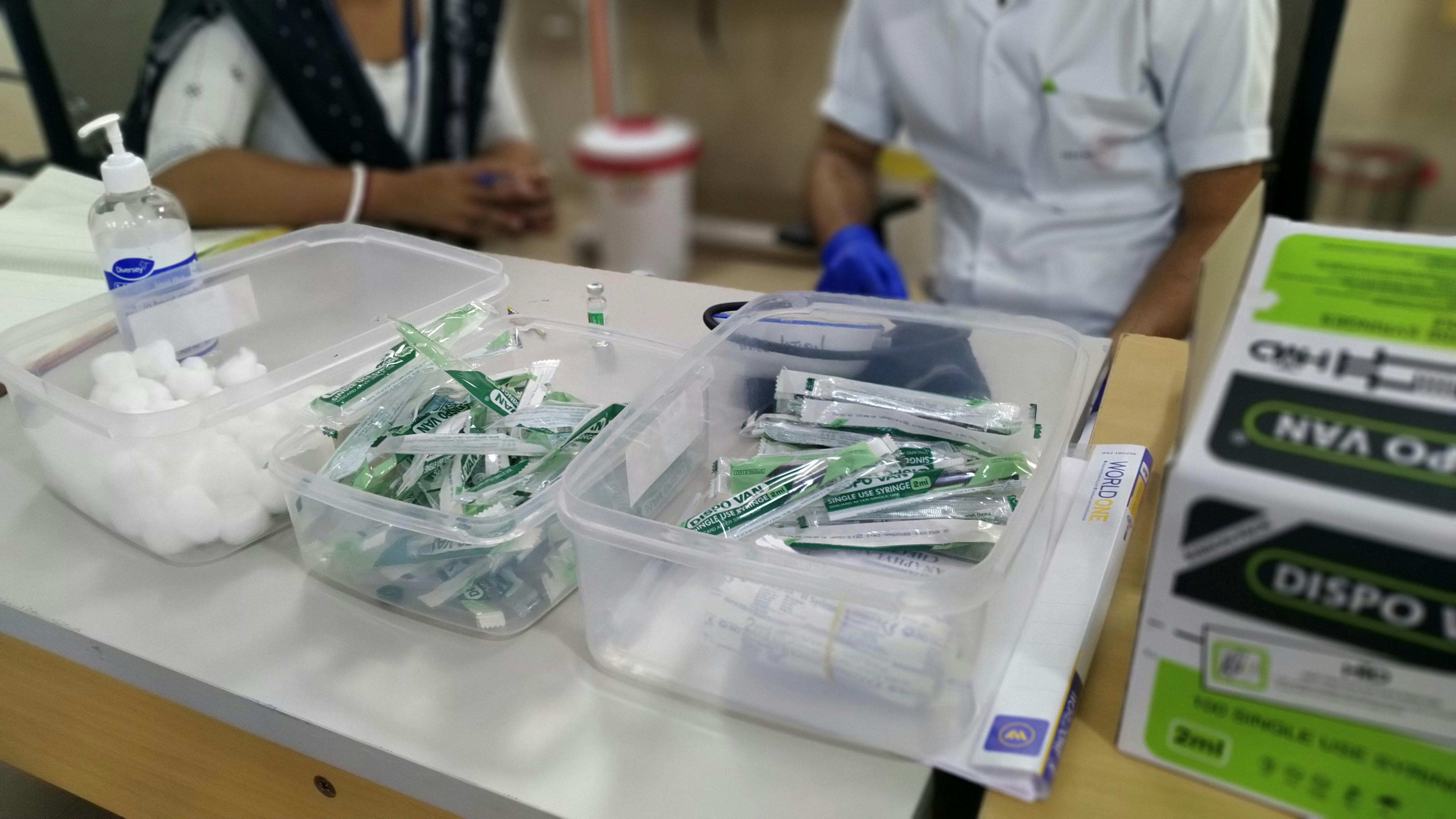
Understanding Hygiene Standards in Healthcare
The implementation of hygiene standards in healthcare settings is paramount to ensure the safety and well-being of both patients and healthcare providers. Hygiene standards encompass a range of protocols and guidelines designed to minimize the risk of infections. These standards are enforced through regulations set by various bodies, ensuring that all healthcare facilities adhere to these critical practices.
The World Health Organization (WHO) and Centers for Disease Control and Prevention (CDC) provide comprehensive guidelines that outline necessary infection control measures. These include proper hand hygiene, use of personal protective equipment (PPE), sterilization of equipment, and handling of medical consumables. Adhering to these guidelines is essential for healthcare professionals to prevent infections within healthcare environments.
Quality medical consumables play a significant role in maintaining hygiene standards. They must meet specific quality benchmarks to be classified as certified medical disposables. This not only includes the construction of the products but also their sterilization processes and packaging. For instance, hospital safety products, like gloves and masks, must be manufactured under stringent conditions to ensure they are free from contaminants when delivered for use in medical settings.
The necessity of infection control supplies cannot be overstated. They act as the first line of defense against the transmission of pathogens. Healthcare hygiene products must also comply with industry standards to ensure their effectiveness. Regular audits and inspections are integral to confirm that healthcare facilities maintain these hygiene standards consistently.
In conclusion, understanding and upholding hygiene standards in healthcare is essential for the safety of both patients and providers. By adhering to established guidelines and using quality medical consumables, healthcare facilities can significantly reduce the risk of infections and enhance the overall quality of care delivered to patients.
The Role of Infection Control in Patient Safety
Infection control is an essential component of patient safety in healthcare settings. The increasing prevalence of healthcare-associated infections (HAIs) highlights the critical need for effective strategies that minimize infection risks to patients. One pivotal aspect of these strategies is the utilization of quality medical consumables, which can significantly influence the overall effectiveness of infection control practices.
High-quality medical consumables, including certified medical disposables and healthcare hygiene products, play a vital role in preventing the transmission of infectious agents within healthcare environments. These products, designed to meet stringent regulatory standards, ensure the highest level of sterility and reliability. In contrast, the use of poor-quality consumables can compromise infection control efforts, leading to an increased rate of HAIs and jeopardizing patient safety.
For instance, hospital safety products such as gloves, gowns, and masks are critical barriers that protect both patients and healthcare providers from pathogenic organisms. When these products are manufactured from substandard materials, they may fail to provide adequate protection, thereby exposing patients to a higher risk of infections. Conversely, high-quality infection control supplies are manufactured with the best materials and include proper certifications, ensuring their effectiveness in safeguarding patient welfare.
Moreover, the integration of infection control measures with quality medical consumables enhances the robust nature of overall healthcare delivery. Investment in high-caliber products is not merely a matter of compliance; it is a fundamental aspect of creating a safe environment conducive to healing. By emphasizing the procurement of quality medical consumables, healthcare institutions can bolster their infection control protocols and ultimately improve patient outcomes.
Protecting Healthcare Workers through Quality Consumables
In the healthcare environment, the safety and well-being of healthcare workers are critical aspects that contribute to the overall quality of patient care. One essential factor that influences this safety is the quality of medical consumables utilized within facilities. High-quality medical consumables—encompassing everything from gloves to surgical drapes—play a vital role in protecting healthcare professionals from various risks, including exposure to infections and hazardous materials.
Healthcare workers are exposed to different types of risks every day, particularly when handling patients with infectious diseases. The use of certified medical disposables ensures that healthcare providers are less likely to encounter contamination. For instance, employing proper infection control supplies, such as sterilized needles and safety-engineered sharps, reduces the frequency of needlestick injuries, which can lead to severe health complications.
The repercussions of utilizing substandard hospital safety products can be dire, potentially resulting in not only health risks for workers but also increased healthcare costs due to infections. Subpar equipment may fail during critical procedures, thereby prolonging patient recovery times and exposing caregivers to preventable risks. It is imperative that healthcare institutions prioritize the procurement of quality medical consumables to establish a safe working environment.
Furthermore, investing in healthcare hygiene products fosters a culture of safety that supports the morale and retention of healthcare workers. When personnel feel protected and valued through the use of adequate supplies, their job satisfaction increases, which is essential in a field often plagued by stress and burnout. The adoption of high-quality, reliable medical consumables is not just a regulatory requirement; it is a profound commitment to safeguarding the frontline heroes of the healthcare system.
Building Trust and Ensuring Compliance in Medical Settings
Trust is a cornerstone of effective healthcare, serving as the foundation upon which patient-provider relationships are established. In a landscape where patients increasingly seek transparency and reliability, the use of quality medical consumables is essential in reinforcing this trust. Healthcare providers have a profound responsibility to ensure that the products they utilize—from hospital safety products to infection control supplies—are of the highest standards. This is not merely a matter of preference; it is a regulatory necessity that underscores the importance of compliance within medical settings.
Quality medical consumables, including certified medical disposables and healthcare hygiene products, play a crucial role in executing safe and effective treatment protocols. When healthcare facilities prioritize the procurement of these quality products, they not only enhance patient care but also mitigate risks associated with medical errors and infections. The assurance that comes with using compliant and high-quality products allows healthcare professionals to focus on delivering care rather than worrying about the reliability of their supplies.
Moreover, patients are increasingly educated about their treatment options and more involved in their healthcare decisions. This awareness places additional pressure on providers to demonstrate their commitment to utilizing only the best quality medical consumables. By consistently opting for products that meet strict regulatory standards, healthcare facilities cultivate a culture of safety and efficacy—issues that resonate strongly with patients.
In conclusion, to maintain trust and ensure compliance, healthcare providers must prioritize the use of quality medical consumables. This commitment not only fosters patient confidence but also enhances the overall integrity of the healthcare system. Facilities looking to boost their supply of essential medical products are encouraged to consider bulk orders of quality medical consumables, thereby reinforcing their dedication to excellent patient care.